
Table of Contents
For many years, traditional hobby groups served as social anchors for people seeking connection through shared interests. From local chess clubs to weekend sports teams and board game meetups, these communities provided structure, routine, and face-to-face interaction. However, the rapid growth of online gaming and esports has introduced a new kind of social environment that operates entirely in digital space. Today, millions of players connect daily without ever meeting in person.
Online gaming communities now offer not only entertainment but also friendship, collaboration, and a sense of belonging. Through multiplayer matches, competitive tournaments, and streaming platforms, gamers build strong relationships that often rival traditional hobby groups. As technology evolves, digital communities continue to reshape how people interact and form social bonds.
The Rise of Competitive Gaming as a Social Platform
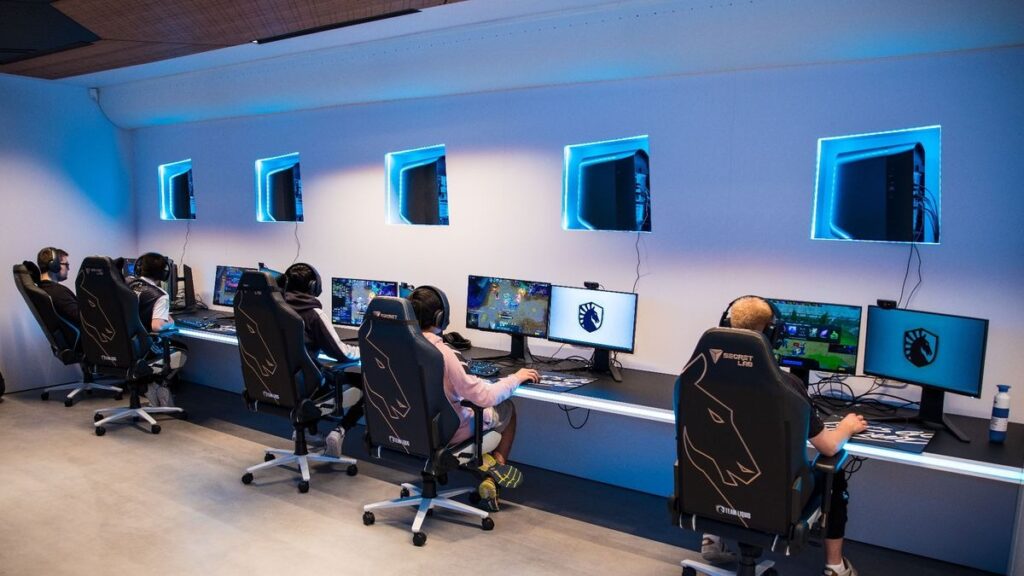
Competitive online games such as Counter-Strike 2 have transformed gaming into a global social platform. Players join ranked matchmaking, form teams, and participate in tournaments that require constant communication and strategic cooperation. Unlike traditional hobby clubs that meet once or twice a week, gaming communities operate continuously, offering daily interaction and shared goals.
The growth of esports has strengthened these bonds even further. Fans gather around professional matches, analyze strategies, and follow team rivalries throughout entire seasons. Many enthusiasts regularly watch tournaments and community broadcasts through platforms that feature cs2 live streams, where viewers discuss tactics, roster updates, and key match moments in real time. These interactive experiences create a dynamic social atmosphere similar to sports fan clubs but with far greater accessibility and immediacy.
As a result, competitive gaming communities provide both entertainment and structured engagement. Players not only improve their skills but also develop friendships through shared victories, defeats, and intense in-game moments. This continuous cycle of competition and communication reinforces long-term participation.
Streaming Culture and Constant Interaction

Streaming platforms have dramatically expanded the reach of online gaming communities. Unlike traditional hobby meetings limited by geography, live broadcasts allow thousands of viewers to gather simultaneously from different countries. Real-time chat functions encourage constant discussion about gameplay decisions, tournament brackets, and individual player performance.
This culture of interaction continues beyond the stream itself. Community members join Discord servers, participate in forum discussions, and share highlights on social media. The conversation rarely stops, creating a persistent social environment that feels active at all hours. Compared to traditional hobby groups with scheduled meetings, online communities provide immediate and ongoing engagement.
Streaming also allows personalities to become central figures within communities. Influential streamers shape opinions, explain tactics, and unite fans around shared interests. Over time, these virtual gathering spaces begin to resemble digital clubs where regular participants recognize each other and form consistent social circles.
Traditional hobby groups often revolve around shared identity, and online gaming communities replicate this dynamic on a larger scale. Players identify with specific teams, favorite professional players, or even particular game roles such as support or sniper. These identities create emotional investment and strengthen bonds between community members.
Esports tournaments amplify collective excitement. When a team performs an unexpected comeback or wins a major championship, thousands of fans celebrate together in live chats and online forums. These shared emotional experiences foster unity and a sense of belonging that rivals physical hobby groups.
Furthermore, global accessibility enhances diversity within these communities. Players from different cultures collaborate in matches and tournaments, exchanging perspectives and strategies. This international dimension adds richness to online communities that traditional local hobby clubs often cannot replicate.
Flexibility and Adaptation to Modern Lifestyles
Modern schedules are increasingly unpredictable due to work, study, and personal commitments. Traditional hobby groups require fixed meeting times and physical presence, which can limit participation. Online gaming communities, by contrast, offer flexibility that aligns with contemporary lifestyles. Players can join a match or discussion at almost any time.
The digital nature of gaming eliminates transportation barriers and membership fees associated with physical clubs. All that is needed is a gaming device and internet access. This convenience has made online communities especially attractive to younger generations who prioritize accessibility and efficiency.
In addition, esports ecosystems evolve rapidly. Regular updates, seasonal tournaments, and competitive leagues keep members engaged with fresh content. Unlike some traditional hobby groups that may struggle with declining attendance, gaming communities continuously adapt and expand through technological innovation.
Conclusion
Online gaming communities are increasingly replacing traditional hobby groups by offering accessible, interactive, and globally connected environments. Through competitive multiplayer games, esports tournaments, and streaming platforms, players build meaningful relationships and shared identities. The rise of Counter-Strike 2 and similar titles demonstrates how digital ecosystems can provide structure, collaboration, and emotional engagement comparable to physical clubs.
Streaming culture and constant online communication ensure that these communities remain active and inclusive. Participants experience collective achievements, strategic discussions, and shared excitement without geographical limitations. This combination of flexibility, accessibility, and emotional connection makes online gaming communities a powerful social force.
While traditional hobby groups still hold cultural value, the digital transformation of social interaction is undeniable. As esports and online multiplayer platforms continue to grow, gaming communities will likely remain at the forefront of modern social life, redefining how people connect, compete, and collaborate in the digital age.